 en
en  cn
cn  it
it  es
es  tr
tr  ja
ja  sv
sv  pt
pt  nl
nl  ru
ru  fr
fr  de
de  pl
pl 
Serving global fashion brands
as the core supply chain of excellence, agility, and innovation.
as the core supply chain of excellence, agility, and innovation.
30 Jul 2026 / Industry
Choosing a garment manufacturing partner has become one of the most important decisions for fashion brands. A reliable factory influences far more than production costs. It affects development speed, product quality, delivery performance, and ultimately how quickly a collection reaches the market.
Today, many brands are moving away from managing multiple disconnected suppliers. Instead, they prefer manufacturing partners that can support product development, fabric sourcing, production, and supply chain coordination through a single, integrated process. This approach reduces communication gaps, shortens lead times, and gives brands greater flexibility when market demand changes.
At Kingsrich, we've seen this shift firsthand. Brands increasingly value long-term collaboration with suppliers that combine technical expertise, flexible manufacturing capacity, and transparent supply chain management rather than simply offering the lowest price.
Successful clothing manufacturing requires precise internal planning before contacting potential suppliers. Global apparel companies must establish complete product specifications to avoid costly delays.
Internal teams create comprehensive tech packs to communicate design expectations. Inaccurate specifications create severe communication gaps and directly increase defect rates.
Clear technical files detail exact fabric weights, seam construction, trims, and size measurements. Outdated files cause production pauses and measurement errors.
| Specification Condition | Impact on Manufacturing Efficiency | Defect & Rework Risk |
|---|---|---|
| Outdated Tech Packs | Causes factory pauses during clarification | High measurement errors |
| Fragmented Files | Creates confusion between teams | High material discrepancies |
| Centralized Digital Data | Streamlines factory workflow | Prevents assembly mistakes |
Factories rely entirely on detailed technical packs to calculate exact pricing and delivery timelines.
Fashion companies select operational frameworks based on internal technical expertise and capital resources.
The Cut, Make, Trim model requires brands to manage raw material sourcing independently. External brands handle textile mills, trim suppliers, and shipping logistics directly. This model offers higher profit margin potential. However, the factory assumes zero responsibility for fabric defects.
A full-service clothing manufacturer manages all operations from initial raw material procurement to end-to-end production.
| Feature | CMT Model | FPP Model |
|---|---|---|
| Operational Control | Direct material management | Single point of contact |
| Material Risk | Brand carries full liability | Factory guarantees overall quality |
| Logistics Management | Complex multi-party coordination | Streamlined end-to-end production |
Growing labels must match order volumes with realistic vendor production limits.
Minimum order quantity is often one of the first topics discussed between a brand and a manufacturer, but it should never be viewed in isolation. A factory capable of supporting smaller trial orders while maintaining the capacity to scale production later offers far greater long-term value than one that only competes on minimum quantities.
For growing fashion brands, flexibility is often more important than simply finding the lowest MOQ. As collections expand and successful products require repeat orders, a manufacturing partner should be able to increase capacity without disrupting quality or delivery schedules.
Rapid growth requires suppliers with flexible manufacturing capacity. High-performing vendors deliver agile end-to-end production systems that support quick repeat orders. Establishing scalable manufacturing systems enables companies to achieve long-term fashion business goals without stockouts.
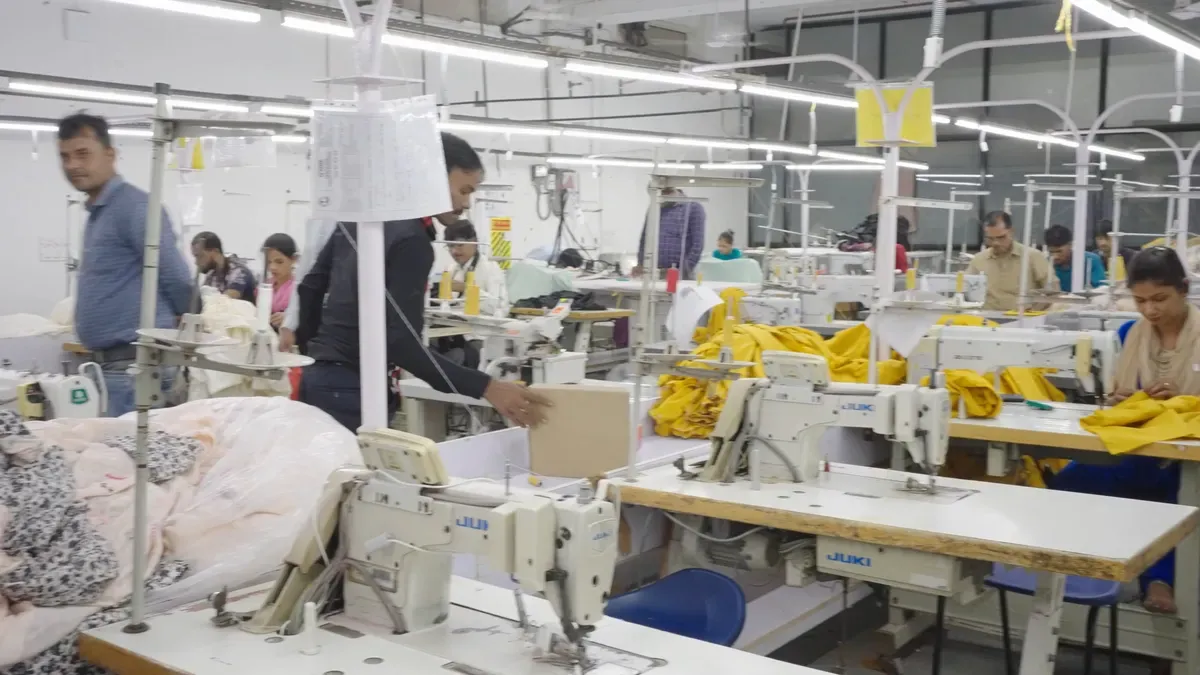
Global apparel executives execute every sourcing strategy carefully to build resilient supply networks. During initial factory screening, procurement teams prioritize transparent turnaround times and fast communication channels. Global fashion brands optimize critical sourcing decisions by partnering with established global supply chain leaders like Kingsrich. Utilizing over 30 years of industry experience, owned facility networks, and cutting-edge digital innovation, Kingsrich maintains versatile operations across 4,000 unique styles annually.
When comparing local vs overseas fashion manufacturers, corporate supply chain directors analyze speed, production agility, and overall landed costs. Evaluating local vs overseas fashion manufacturers helps brands balance regional speed with cost efficiency. Nearshore facilities provide rapid lead time execution and lower inventory risk. Conversely, offshore manufacturing hubs optimize raw material purchasing scale.
| Sourcing Criterion | Purpose & Strategic Objective | Real-World Application |
|---|---|---|
| Geographic Proximity | Accelerate lead time and market reaction speed | Nearshoring high-turnover fashion lines |
| Volume Specialization | Balance operational efficiency with high output | Offshore production in hubs like vietnam |
| Trade Agreements | Secure tariff reductions and regulatory compliance | Utilizing duty-free trade corridors |
Global firms evaluate labor expenses, customs tariffs, and transit timelines across key industrial regions. Sourcing apparel from vietnam offers exceptional cost efficiency for large production runs. Partnering with a skilled vietnam garment manufacturer helps international entities navigate complex trade rules effectively. Additionally, deep-water ports in vietnam support reliable global freight delivery schedules. Textile manufacturing hubs in vietnam and major garment exporters in vietnam continue to attract international investments. These geographical benefits significantly influence broad sourcing strategy frameworks and long-term sourcing decisions.
Many enterprise entities select a full-service clothing manufacturer in vietnam to secure cost benefits while retaining full control over end-to-end production quality. A modern vietnam clothing factory integrates material supply chains across regional industrial zones. Consequently, garment manufacturing vietnam remains a central driver of global market growth. Sourcing managers continually evaluate prospective clothing factory options across vietnam to minimize operational risks.
Key Operational Takeaway: Integrating regional material hubs shortens transit schedules, protects working capital, and stabilizes seasonal manufacturing timelines.
In modern clothing manufacturing, factory selection depends heavily on specialized fabric construction capabilities across product lines. Specialized facilities deploy automated machinery tailored to specific textile behaviors.
| Garment Category | Technical Requirements & Machinery | Operational Influence |
|---|---|---|
| Knits | Circular knitting machines, pre-shrinkage systems | Delivers lower MOQs and fast assembly speeds |
| Wovens | Precision markers, heavy-duty loom setups | Requires rigid quality control for seam fraying |
| Activewear | Advanced seamless equipment, waste-reduction tools | Ensures zero-chafing comfort and eco-friendly output |
Modern sourcing teams evaluate automated cutting tables, digital pattern-making software, and AI-driven tracking systems. Advanced technology streamlines end-to-end production schedules. Selecting a certified full-service clothing manufacturer guarantees sample accuracy, fast turnaround, and low defect rates. Executive teams must choose the right garment factory by auditing technology integration during early facility visits. Ultimately, top apparel brands leverage versatile clothing factory options to secure agile, sustainable end-to-end production systems worldwide.
Shortlisting the right apparel manufacturing partner requires rigorous financial and technical evaluations. Enterprise apparel brands compare raw factory data, production capacities, and communication speeds before signing binding production agreements.
Procurement teams must normalize incoming factory quotations to evaluate actual unit costs accurately. Raw price quotes without standardized terms create confusion during vendor selection.
Sourcing teams request itemized cost breakdown sheets from every candidate factory. These documents split garment costs into fabric usage, trim costs, cut-and-sew labor rates, packaging, and factory profit margins. Standardizing these inputs helps brands identify uncompetitive pricing structures early.
Sourcing managers utilize structured frameworks to vet each potential manufacturer effectively.
| Framework Category | Specific Standards / Methods | Key Evaluation Parameters |
|---|---|---|
| Social Compliance | Sedex SMETA, BSCI, WRAP, SA8000, ETI Base Code | Labor practices, fire/building safety, working hours, compensation, worker welfare |
| Environmental Compliance | OEKO-Tex 100, Higg FEM, GOTS, ZDHC, Bluesign | Chemical management, wastewater processing, energy efficiency, waste disposal |
| Quality Control Systems | 4-Point System (Fabric), Final AQL Inspection (AQL 1.5 - 4.0) | Material defects (holes, shading), finished garment quality standards |
| Initial Capability Screening | Supplier Profile & Audit Records | Machinery lists, sample room proficiency, audit history, past delivery performance |
Beyond basic compliance metrics, enterprise sourcing teams apply multi-tiered evaluation strategies:
An experienced manufacturer in regional industrial hubs like vietnam provides clear financial documentation to streamline initial screening.
Sourcing teams establish precise Incoterms like Free On Board (FOB) or Delivered Duty Paid (DDP) to define cost ownership. Price quotes often exclude localized handling fees, ocean freight surcharges, import duties, or specialized fabric testing costs. Sourcing managers calculating total landed costs frequently choose production facilities in vietnam to take advantage of preferential tariff frameworks and efficient shipping ports. Modern factories across vietnam offer complete cost transparency, protecting brand margins against sudden unexpected fee spikes.
Sampling approval serves as the essential gatekeeper between design concepts and bulk production output.
Brands evaluate initial prototype samples, second-fit corrections, and final pre-production samples before giving green lights for mass assembly. Each sample stage verifies pattern balance, seam placement, and grading accuracy. Advanced technology significantly shortens sample revision cycles for modern apparel lines.
| Sampling Method / Approach | Average Required Iterations |
|---|---|
| Traditional Physical Iterations | 4.0 – 5.0 rounds (average 4.5) |
| Modern 3D Design & Quality Tech Pack | 1.8 rounds |
Adopting 3D virtual fitting systems allows a qualified manufacturer in vietnam to meet strict quality expectations faster. Digital approvals reduce physical courier costs, speed up development cycles, and ensure optimal apparel production quality. Partnering with a digitally integrated apparel manufacturing partner accelerates production timelines across competitive retail markets.
Technical specialists test physical samples against strict garment tolerance guidelines. Small measurement variations alter garment fit and damage overall brand reputations. Modern factories in vietnam maintain rigid quality control systems during physical sample assembly.
| Fabric Category | Chest Width | Body Length | Sleeve Length | Waist Circumference | Hem Width | Shoulder Width |
|---|---|---|---|---|---|---|
| Knitted Apparel (Jersey/Interlock) | ±1.0 cm | ±1.5 cm | ±1.0 cm | ±0.75 cm | ±1.0 cm | ±0.75 cm |
| Woven Apparel (Shirts/Denim) | ±1.0 cm | ±1.0 cm | ±0.75 cm | ±0.75 cm | ±1.0 cm | ±0.75 cm |
| Outerwear (Coats/Jackets) | ±2.0 cm | ±2.0 cm | ±1.5 cm | ±1.5 cm | ±2.0 cm | ±1.0 cm |
Quality teams inspect physical garment categories according to key product specifications:
Top garment factories in vietnam fulfill high quality expectations across diverse apparel product lines. Evaluating seam strength, stitch density, and fabric tolerances ensures that the chosen partner meets demanding retail standards.
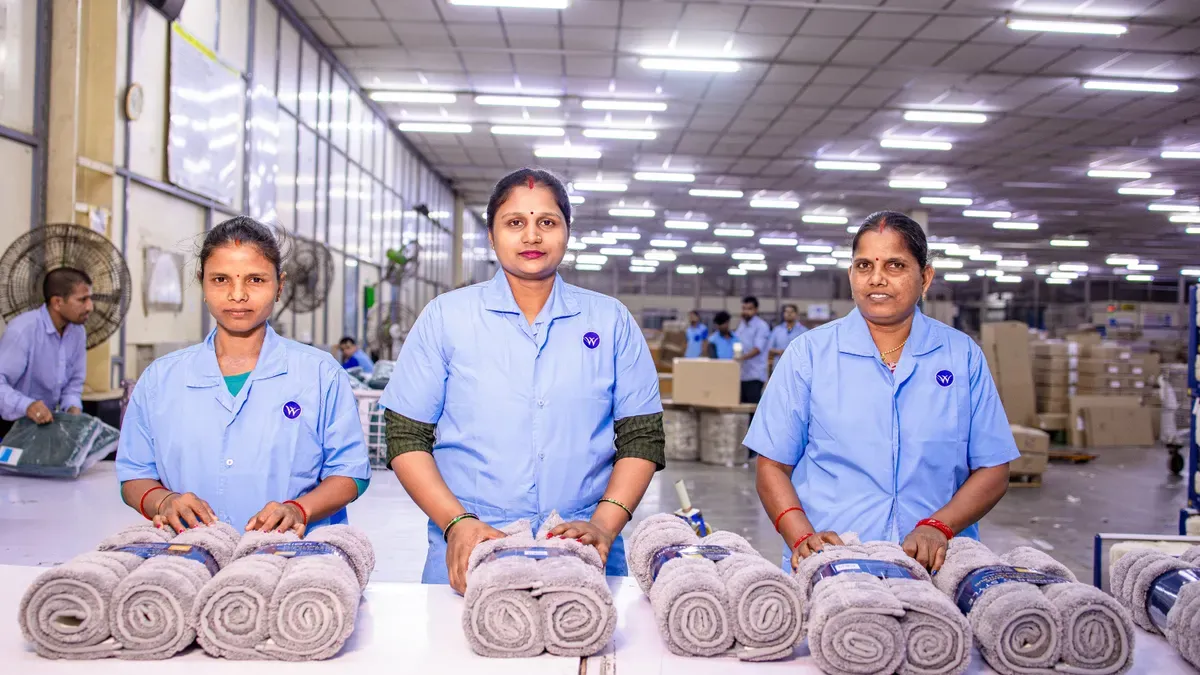
The strategic evaluation process moves from technical sampling to rigorous compliance verification. Enterprise apparel brands require complete transparency regarding facility operations and environmental impacts. Sourcing teams analyze certified audit reports, evaluate factory conditions, and demand verified supply chain data before placing bulk orders.
Global brands protect their market reputation by auditing factory working conditions. Specialized compliance systems allow procurement managers to benchmark potential production partners accurately.
Sourcing executives analyze third-party social compliance reports to ensure fair treatment across manufacturing facilities. Leading international frameworks address distinct geographic markets and operational needs:
| Feature | amfori BSCI | SEDEX / SMETA | WRAP |
|---|---|---|---|
| Core Nature | Buyer-driven membership framework using a shared code of conduct. | Data-sharing network utilizing SMETA as its primary audit format. | Independent non-profit certifying specific physical production units. |
| Evaluation & Output | Graded system ranging from A to E; does not award a standing certificate. | Detailed audit report with corrective steps; avoids pass/fail marks or formal certificates. | Issues facility-level certificates ranked at Platinum, Gold, or Silver tiers. |
| Validity Period | Full audits usually operate on a 2-year repeating timeframe. | Requires updated reports every 1 to 2 years (no fixed certificate duration). | Certification duration varies from 6 months to 3 years based on tier. |
Sourcing managers utilize specific operational methodologies during initial screening:
Field teams perform unannounced inspections to check working conditions directly. Audits verify proper ventilation, clear fire exits, fair wages, and strict working hour limits. Evaluating an established manufacturer in vietnam allows sourcing teams to inspect clean, well-lit sewing floors that comply with international safety standards.
Operational Insight: Modern facilities in vietnam maintain full compliance history logs to accelerate vendor approval processes for fast-growing global brands.
Sustainable manufacturing requires absolute material authenticity. Apparel companies implement clear tracking standards to verify eco-friendly claims across global supply networks.
Global buyers fight corporate greenwashing by verifying textile certificates against official public databases:
| Certification | Verification Method | Red Flag / Fraud Indicator |
|---|---|---|
| GOTS | Locate the license number and query it within the official GOTS public database. | Absence of the license record in the database. |
| OEKO-TEX | Scan the provided QR code or input the label/certificate ID into the OEKO-TEX Label Check portal. | Unverifiable certificate number or invalid QR link. |
Modern brands maintain fiber-to-finish traceability using proven digital management steps:
Leading facilities adopt resource-saving equipment to minimize environmental footprints. A forward-thinking apparel manufacturer in vietnam utilizes solar energy panels, automated cutting machines, and closed-loop water treatment units. Sourcing managers actively choose an innovative clothing factory in vietnam to secure low-waste garment assembly without sacrificing output quality. Ultimately, partnering with a certified full-service manufacturer in vietnam helps enterprise brands align long-term growth with environmental responsibility.
Strategic agreements establish clear expectations between global apparel brands and factory managers. Clear contracts protect product integrity, align delivery expectations, and enforce manufacturing quality standards across every production run.
Quality control management relies on standardized statistical sampling methods. Sourcing teams define acceptable margin limits before mass production begins.
For standard consumer goods, baseline inspection criteria generally enforce an Acceptable Quality Limit (AQL) scheme of 0 for critical issues, 2.5 for major functional or visual defects, and 4.0 for minor cosmetic imperfections. Modern brands apply these strict quality parameters to protect customer satisfaction:
| Metric Category | Critical (AQL 0) | Major (AQL 2.5) | Minor (AQL 4.0) |
|---|---|---|---|
| Inspected Sample Size | 125 pcs | 125 pcs | 125 pcs |
| Maximum Allowed Defects | 0 pcs | 7 pcs | 10 pcs |
| Actual Found Defects | 0 pcs | 6 pcs | 8 pcs |
| Inspection Result | Pass | Pass | Pass |
AQL 2.5 establishes that a maximum of 2.5% major defective units is allowable in a total production order. If the defect rate in a produced batch exceeds this 2.5% threshold, the batch fails to meet the agreed quality control target. Factories must then rework or replace the failed units immediately.
Quality assurance teams conduct systematic inline evaluations during fabric cutting and garment sewing. Auditors check stitch density, seam strength, and measurement tolerances while lines run. Final pre-shipment inspections verify complete order batches before factory packing. Thorough quality control processes at this stage prevent costly retail returns.
Financial agreements bind factory schedules to strict operational performance goals.
Brands structure payments around verifiable factory milestones. Sourcing managers release down payments only after sample approvals. Letters of credit unlock remaining funds following successful pre-shipment quality checks.
Contracts define concrete production lead time windows and final delivery dates. Sourcing teams enforce financial penalties for unapproved transit delays.
[Approved Tech Pack] ➔ [30% Deposit] ➔ [Inline Quality Check] ➔ [Final AQL Pass] ➔ [Balance Release] ➔ [Factory Delivery]These strict delivery penalty clauses compel a garment manufacturer to maintain realistic timelines and protect brand inventory schedules.
Brands secure proprietary assets when operating across international legal boundaries.
Global entities utilize targeted legal structures to safeguard creative work from local factory misuse:
An overseas manufacturer must sign Non-Disclosure, Non-Use, and Non-Circumvention (NNN) agreements. These contracts require the prompt return or destruction of all physical patterns, fit blocks, and custom fabric formulas after production. Clear legal terms ensure factories fulfill high quality expectations while fully respecting proprietary brand assets.
Sustainable fashion growth requires reliable global partners. Apparel brands achieve long-term success when they align with agile vendors capable of delivering high-volume orders alongside eco-friendly practices. Choosing the ideal partner transforms operational risk into continuous commercial growth.
Sourcing directors evaluate active factory performance to maintain continuous supply chain health. Regular performance reviews help teams refine future sourcing decisions effectively.
Executive teams track strict Key Performance Indicators (KPIs) to measure factory reliability across every order cycle. A reliable garment manufacturing partner maintains high production efficiency while minimizing overall defect rates.
A specialized apparel manufacturer in vietnam often provides automated tracking systems to share real-time manufacturing updates. High-performing facilities across regional hubs like vietnam streamline bulk output while protecting overall apparel quality.
Active communication prevents costly production delays. Sourcing managers favor factory representatives who answer inquiries within hours and propose swift solutions during unexpected material shortages. A collaborative partnership relies on full operational transparency, enabling companies to meet ambitious fashion business goals reliably.
💡 Strategic Insight: Leading brands favor supply partners in vietnam that offer direct access to factory floor managers, accelerating problem resolution during tight production runs.
Sourcing managers utilize structured scorecard models to evaluate candidate production facilities before issuing final purchase orders.
A balanced scorecard framework simplifies factory selection. Sourcing teams rate each prospective apparel supplier across essential operational metrics to build strong long-term partnerships.
| Evaluation Category | Core Assessment Criteria | Target Threshold / Benchmark |
|---|---|---|
| Production Capability | Technical machinery quality and product specialization | Minimum 90% production efficiency score |
| Supply Agility | Minimum order flexibility and restock turnaround speed | Fast sample turnarounds within 7–10 days |
| Sustainability & Ethics | Fully certified material traceability and fair labor practices | Zero tolerance for major audit violations |
Enterprise brands score every apparel manufacturer carefully to secure efficient factory network operations. Selecting a qualified clothing manufacturer in vietnam helps modern brands achieve ideal balance across unit costs, speed, and ethical compliance. Choosing an experienced factory partner in vietnam simplifies complex international logistics. Ultimately, a strong manufacturing partnership creates stable supply chains and drives market expansion for growing retail fashion entities.
Global brands secure market leadership through clear specifications, thorough supplier vetting, strict compliance checks, and precise quality agreements across international brands. Selecting the right garment manufacturing partner represents a strategic investment. This long-term partnership balances technical capabilities, communication agility, and ethical alignment.
An ideal apparel manufacturing partner transforms complex supply chain challenges into distinct commercial advantages. Aligning with a reliable manufacturer protects product quality during growth.
Fashion executives must systematically audit every prospective manufacturer to establish a resilient partnership. Choosing a proven garment manufacturing partner alongside an agile apparel manufacturing partner creates a powerful partnership that empowers expanding fashion brands to scale sustainably.
Cut, Make, Trim (CMT) requires fashion brands to supply all raw materials independently. Conversely, Full Package Production (FPP) manages the complete manufacturing lifecycle from fabric sourcing to global delivery. FPP offers turnkey convenience and lowers overall supply chain operational risks.
Sourcing directors inspect accredited audit reports from recognized global organizations:
On-site facility inspections further verify fair labor wages and workplace safety.
Quality Standard: AQL 2.5 defines the maximum allowable percentage of major defective garments within a production batch.
Quality control teams inspect random order samples against strict statistical tables. This standardized threshold prevents substandard products from reaching retail stores without inflating unit costs.
Global entities execute comprehensive Non-Disclosure, Non-Use, and Non-Circumvention (NNN) agreements before sharing technical files.
| Legal Measure | Operational Protection | | : | : | | NNN Contracts | Prevents unauthorized pattern copying | | Proprietary Clauses | Safeguards custom fabric formulas |
Garment factories establish baseline MOQs around textile mill minimums, machine setup labor, and production line efficiency targets. Large industrial plants require higher order volumes to maintain efficiency, while specialized agile facilities support smaller order runs for market testing.
Full-service partners like Kingsrich deliver over 30 years of supply chain expertise, advanced digital tracking, and extensive owned facilities. Enterprise brands leverage these comprehensive capabilities to scale production volume, shorten delivery timelines, and maintain strict environmental compliance worldwide 💡.