 en
en  cn
cn  it
it  es
es  tr
tr  ja
ja  sv
sv  pt
pt  nl
nl  ru
ru  fr
fr  de
de  pl
pl 
Serving global fashion brands
as the core supply chain of excellence, agility, and innovation.
as the core supply chain of excellence, agility, and innovation.
08 Jun 2026 / Industry
A garment sample can look right at first glance and still require changes before bulk production. A sample may match the design visually while having incorrect measurements, a fabric variation, construction details that are difficult to reproduce, or workmanship issues that become more obvious at scale.
For brands, garment sample approval is therefore more than deciding whether a sample looks acceptable. It is a technical review of whether the garment matches the approved requirements and whether those requirements can be reproduced consistently during production.
A structured sample approval process gives brands, sourcing teams and product developers an opportunity to identify problems before they become production issues.
A garment sample may confirm the overall direction of a product, but visual similarity alone does not make it ready for approval.
A proper review should compare the physical sample with the approved design and technical requirements. Fit, measurements, materials, construction and workmanship need to be considered together rather than reviewed separately.
For example, a jacket may have the correct overall silhouette while the sleeve length is outside the required tolerance. A pocket may have the intended appearance but sit incorrectly in relation to other garment panels. A fabric may have the expected color but differ from the material specified for bulk production.
These issues do not necessarily mean the sample has failed. They indicate that specific points need to be corrected or confirmed before approval.
The purpose of garment sample development is not simply to produce a sample that looks acceptable. The sample should provide a clear basis for the manufacturer to understand what needs to be reproduced during bulk production.
Measurements should be one of the first checks because fit problems can affect the entire size range.
The review should cover the key points used in the garment specifications, including body length, sleeve length, shoulder and chest measurements, as well as the overall relationship between different measurements. Fit and ease also need to be considered because a garment can meet individual measurement requirements while still having an incorrect overall balance.
Before approving the measurements, brands should check:
· Are the key measurements within the agreed tolerance?
· Is the overall size balance consistent with the approved fit?
· Do changes in one measurement affect other garment proportions?
For example, increasing the chest measurement without reviewing the shoulder or armhole can change the way a jacket sits on the body. A small change in body length can also affect the position of pockets, hems and other construction details.
For garment fit development, the important question is not whether one measurement is correct in isolation. The measurements need to work together to create the intended fit and proportions.
If an adjustment is required, it should be recorded clearly before approval so that the corresponding pattern or grading changes can be addressed before bulk production.
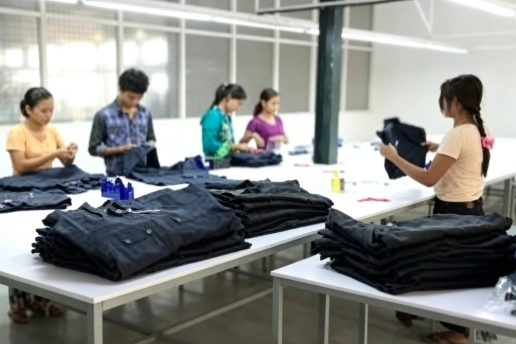
The sample should be checked against the material requirements, not simply judged by appearance.
Composition, weight, hand feel, color and surface appearance all contribute to how a garment looks and performs. Lining, interlining and other supporting materials also need to be considered where they affect the structure or finish of the garment.
The fabric used for the sample should be clearly identified and compared with the material intended for bulk production. This is particularly important when a substitute fabric has been used during development.
A change in fabric can affect the final garment even when the pattern remains unchanged. For woven garments, differences in fabric weight, structure or stability can influence drape, fit, pressing and construction. A heavier fabric may change how a collar or hem sits, while a different lining can affect the way the garment moves.
For this reason, material confirmation should form part of the approval decision. If the sample and intended bulk material are different, the brand should understand whether the change could affect the approved fit or construction before production begins.
Once measurements and materials have been checked, the physical construction of the garment requires closer attention.
Seams, stitching, pockets, collars, cuffs, hems, closures and finishing should be reviewed against the approved requirements. The question is not only whether these details look correct on the sample, but whether they can be reproduced consistently during production.
Consider a trench coat with multiple panels and structured components. The position of a pocket, the shape of a collar or the alignment between panels can have a noticeable effect on the finished garment. A jacket may also require careful control of construction around cuffs, closures and lining.
Construction should therefore be practical as well as visually correct. If a particular detail is unnecessarily difficult to reproduce or requires clarification, it is better to address the issue during sample development than after bulk production has started.
This does not mean simplifying every garment. The objective is to make sure the approved construction can achieve the required appearance and workmanship while remaining suitable for manufacturing.
Workmanship should be assessed during sample review rather than left entirely to bulk production quality control.
Stitch consistency, seam appearance, symmetry, thread ends, panel alignment and finishing are among the details that deserve close attention. Visible areas such as collars, pockets, cuffs and front panels often require particular care because small inconsistencies can affect the overall appearance of the garment.
A practical sample review should pay particular attention to:
· Visible stitching and seam consistency
· Alignment and symmetry of garment panels
· Loose threads, unfinished edges and other finishing issues
The sample should also be reviewed for consistency between corresponding components. Pocket positions should match where symmetry is required, seams should maintain an even appearance and finishing should be clean and complete.
A sample gives the brand and manufacturer a relatively manageable opportunity to clarify these requirements. If the same issue is discovered after bulk production has started, correcting it may involve rework, additional inspection or changes to the production process.
Before bulk production, the final approved sample should align with the latest approved technical specifications, materials, measurements, construction and workmanship requirements.
The physical reference should correspond with the agreed measurements, materials, construction, workmanship, color and finishing. Any changes made during review should also be documented in the current technical information.
This is important because sample development rarely involves only one person. Designers, product developers, sourcing teams and manufacturers may all be involved in reviewing the same garment. If a measurement changes after the sample is made, or if a different fabric is approved, that decision needs to be communicated clearly.
Without proper revision records, a factory may work from an older specification while the brand is working from a newer one. The result can be another round of samples or discrepancies between the approved garment and bulk production.
A manufacturer with integrated garment development and manufacturing capabilities can help connect sample requirements with the production process, making it easier to carry approved specifications into bulk manufacturing.
The exact approval criteria may vary depending on the sample type and stage of development, but the final pre-production review should confirm that all requirements relevant to bulk manufacturing are aligned.
A sample is ready for approval when the main product requirements have been checked and there are no unresolved issues that could affect bulk production.
A practical approval standard is:
Design correct + measurements acceptable + materials confirmed + construction workable + workmanship approved + production requirements clear
The exact emphasis will vary according to the garment. A structured jacket may require closer attention to construction and interlining, while a lightweight woven shirt may place greater emphasis on fabric behavior, fit and seam appearance.
The important point is that approval should represent a manufacturing decision, not simply a visual decision.
For sourcing teams, the review process also provides a useful point for assessing whether a manufacturer can translate an approved sample into consistent bulk production. Development experience, technical communication and production capability all matter when the garment moves from sampling to manufacturing.
Garment sample approval is the process of reviewing a garment sample against the agreed design, measurements, materials, construction and workmanship requirements before bulk production begins.
Brands should review the sample's measurements and fit, confirm the fabric and supporting materials, inspect construction and workmanship, and make sure any required revisions have been clearly recorded before approval.
Measurements directly affect fit, proportions and size consistency. Reviewing them before bulk production helps prevent incorrect specifications from being carried into the production size range.
A final approved sample can serve as an important physical production reference when it is aligned with the latest approved technical specifications and revision records.