 en
en  cn
cn  it
it  es
es  tr
tr  ja
ja  sv
sv  pt
pt  nl
nl  ru
ru  fr
fr  de
de  pl
pl 
Serving global fashion brands
as the core supply chain of excellence, agility, and innovation.
as the core supply chain of excellence, agility, and innovation.
19 May 2026 / Industry
For many fashion brands, production issues are often associated with the manufacturing stage. In practice, however, many of the most expensive problems originate much earlier during apparel product development. Construction details that are difficult to sew, fabrics that behave differently in bulk production, or patterns that require repeated adjustments can all increase costs long before garments reach the production line.
As product collections become more complex and lead times continue to shorten, brands are placing greater emphasis on development rather than relying on factories to solve technical issues during production. Identifying risks before bulk manufacturing improves production efficiency, reduces unnecessary revisions and creates a more predictable manufacturing process.
Effective apparel product development is no longer limited to creating a sample that looks correct. It is about confirming that a garment can be produced consistently, efficiently and at the required quality standard.
Modern apparel manufacturing requires much more than converting a design into a finished garment. Every collection involves decisions about fabric, construction, fit, workmanship and production methods, all of which influence manufacturing performance.
When these decisions are made too late, production teams often have to solve problems while orders are already running. Pattern adjustments, sewing difficulties or unexpected fabric behavior can interrupt production schedules and affect both delivery and quality.
This is why product development has become one of the most important stages in apparel manufacturing. Instead of reacting to problems during production, experienced manufacturers evaluate potential issues while garments are still being developed. The earlier technical challenges are identified, the easier and less expensive they are to resolve.
For sourcing teams, this approach also creates greater confidence before placing bulk orders because manufacturing requirements have already been reviewed from both technical and commercial perspectives.
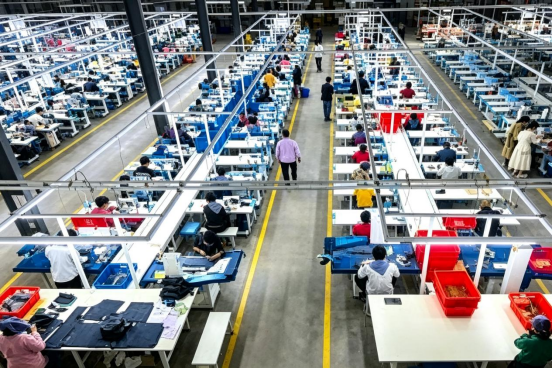
Many production risks become visible long before manufacturing begins if development is approached systematically.
One common example is construction feasibility. A garment may achieve the intended appearance in a sample, but certain sewing details may be difficult to reproduce efficiently across thousands of pieces. Reviewing construction during development allows technical teams to simplify operations without affecting product quality.
Fabric compatibility is another critical factor. Different fabrics respond differently during cutting, sewing and pressing. Materials that perform well in sampling may require process adjustments in bulk production. Evaluating fabric behavior early helps reduce unexpected quality issues later.
Development also provides an opportunity to verify pattern accuracy and fit. Small adjustments during sampling are relatively straightforward, while changes after bulk production has started can be costly and disruptive.
Other technical reviews often focus on workmanship details, production efficiency and quality consistency. Together, these evaluations improve manufacturing readiness before production planning is finalized.
Rather than treating sample approval as the end of development, manufacturers with structured development processes use it as an opportunity to confirm that the product is technically ready for bulk production.
At Kingsrich, product development is closely connected with manufacturing rather than operating as a separate department. Development teams work alongside sourcing and production specialists so technical decisions support efficient manufacturing from the beginning of each project.
Instead of focusing only on the appearance of a sample, the team reviews whether garment construction, fabric selection and workmanship can be reproduced consistently during bulk production. This practical approach helps identify potential challenges before manufacturing schedules are confirmed.
The company's development capability is supported by more than 60 development specialists and over 4,500 sample developments annually, providing experience across a wide range of woven apparel projects. Continuous collaboration between development, sourcing and manufacturing teams also improves communication when technical adjustments are required.
By addressing manufacturing considerations during development, brands can reduce unnecessary revisions later and move into production with greater confidence.
Woven garments require careful control over garment structure, fabric behavior, construction techniques and finishing quality throughout the manufacturing process. Products such as shirts, trousers, skirts and woven outerwear each present different technical requirements, while jackets, trench coats and padded outerwear often involve additional engineering considerations because of their layered construction and structural details.
Kingsrich has built extensive experience in woven garments and outerwear, supporting international fashion brands across a variety of product categories. The development team supports projects ranging from lightweight woven garments to technically demanding outerwear, helping customers evaluate construction methods, material suitability and manufacturing requirements before bulk production begins.
Because development and manufacturing teams work closely together, technical feedback can be incorporated before production starts instead of after problems appear on the factory floor. This collaborative approach contributes to more consistent production while supporting different customer requirements across multiple collections.
As supply chains become more demanding, brands should evaluate manufacturers by more than production capacity alone. A capable development partner helps reduce uncertainty before manufacturing begins and provides technical support throughout the product lifecycle.
Key capabilities include:
· Strong technical garment development experience.
· Structured sample development and evaluation.
· Practical support for fabric selection and sourcing.
· Manufacturing-oriented technical reviews before bulk production.
· Effective collaboration between development and production teams.
These capabilities allow brands to resolve technical issues earlier, improve manufacturing efficiency and reduce the likelihood of unexpected changes during production.
For sourcing managers, choosing a manufacturer with integrated development capabilities is often as important as selecting the right production facility. When product development is closely aligned with manufacturing from the beginning, brands can move into bulk production with greater confidence, fewer technical changes and a more predictable manufacturing process.
Apparel product development is the process of transforming a design concept into a production-ready garment. It includes sample development, pattern refinement, material evaluation, technical review and manufacturing preparation before bulk production begins.
Early product development helps identify construction issues, fabric compatibility, fit adjustments and production challenges before manufacturing starts, reducing costly revisions during bulk production.
Sample development allows technical teams to verify garment construction, workmanship and material performance using representative materials, construction methods and technical requirements before bulk production begins.
Brands should look for manufacturers with strong technical development capabilities, structured sample processes, fabric sourcing support and close collaboration between development and production teams. These capabilities help improve production readiness and support more consistent manufacturing outcomes.