 en
en  cn
cn  it
it  es
es  tr
tr  ja
ja  sv
sv  pt
pt  nl
nl  ru
ru  fr
fr  de
de  pl
pl 
Serving global fashion brands
as the core supply chain of excellence, agility, and innovation.
as the core supply chain of excellence, agility, and innovation.
31 Jul 2026 / Industry
Fashion brands invest enormous effort in trend research, design direction and marketing, yet one stage often has a greater influence on the final product than all of these combined: product development. It is the point where ideas are tested against reality, creative concepts become manufacturable products, and potential production risks are identified before they become costly mistakes.
For many years, apparel brands viewed development mainly as a pre-production activity—creating samples, confirming fabrics and finalizing technical packages before handing everything over to the factory. That model is gradually changing. As product cycles become shorter and supply chains become more complex, brands increasingly expect their manufacturing partners to contribute technical expertise much earlier. They are looking for suppliers who can improve a product before it enters production, not simply manufacture it according to instructions.
This shift is changing the relationship between brands and manufacturers. Today, the most competitive apparel manufacturers are no longer evaluated solely by production capacity. Their ability to support apparel product development, optimize construction methods and reduce manufacturing risks has become equally important.
The apparel industry has changed dramatically over the last decade. Collections are launched more frequently, consumer demand changes faster, and brands are expected to react to trends in a much shorter timeframe. While speed has become a competitive advantage, it has also reduced the margin for error.
When development schedules become compressed, every decision carries greater weight. A fabric selected without sufficient testing, an overlooked construction issue or an inaccurate pattern may appear insignificant during sampling but become expensive once production begins.
For this reason, experienced manufacturers see garment development as a risk management process as much as a creative one. The objective is not simply to produce an attractive sample, but to ensure that the same garment can be manufactured repeatedly, efficiently and consistently.
This is also why more global brands now involve manufacturers during the early stages of development rather than waiting until every specification has been finalized. Earlier collaboration gives both sides more flexibility to improve the product while changes are still relatively inexpensive.
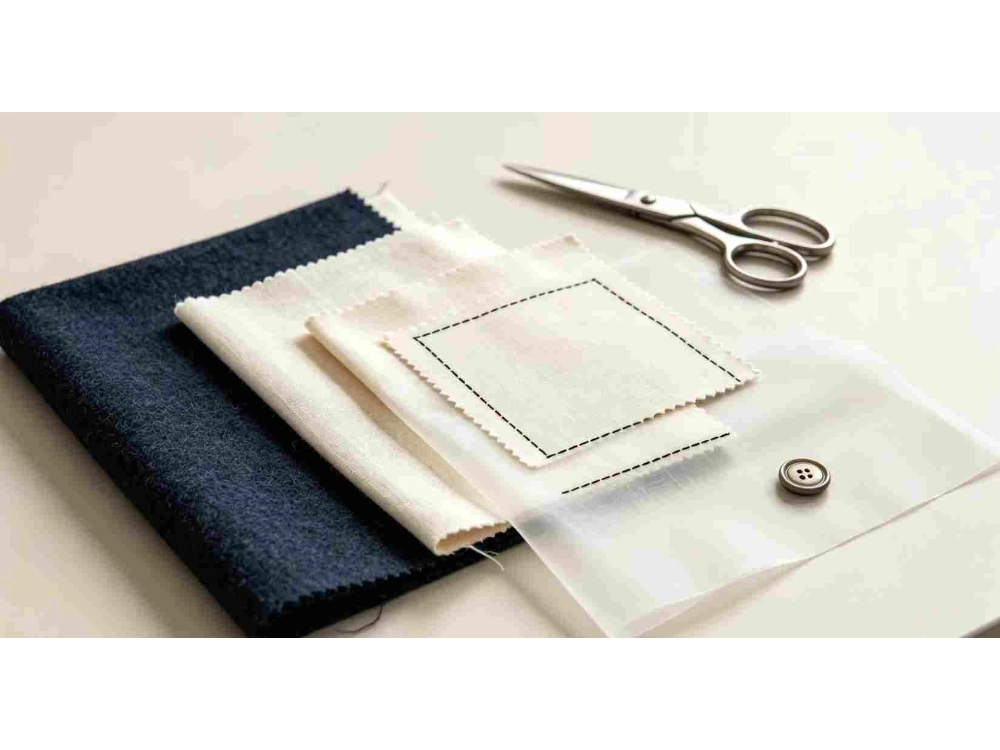
Many buyers associate development with quality, but its impact extends much further. Decisions made during development affect almost every stage of the manufacturing process.
A well-managed product development process helps brands achieve several objectives simultaneously:
These outcomes rarely depend on one major improvement. Instead, they come from dozens of small technical decisions that work together throughout the development process.
Designers and factories naturally look at the same garment from different perspectives.
A designer focuses on aesthetics, proportion and customer appeal. A buyer considers market positioning and target cost. A production engineer immediately begins thinking about repeatability.
Can this garment be produced consistently over an order of 20,000 pieces? Will the selected fabric remain stable throughout cutting, sewing and finishing? Are there construction details that could slow production or increase quality variation?
These are the questions that experienced manufacturers ask before approving a style for production.
The difference is not about being more critical; it is about understanding how small technical decisions influence large-scale manufacturing. A garment that performs well as a single sample may behave very differently when hundreds of operators are producing thousands of identical pieces over several weeks.
That manufacturing perspective often becomes one of the greatest advantages an experienced development partner can offer.
One woven outerwear project demonstrated this particularly well.
The first sample successfully reflected the customer's design concept. Fit approval was completed quickly, and visually there appeared to be very little left to improve. During the factory's internal review, however, the development team identified two potential issues.
The decorative pocket construction required several unnecessary manual operations, while the selected shell fabric showed slight instability after repeated pressing tests. Neither issue affected the appearance of the sample, but both had the potential to reduce production efficiency during bulk manufacturing.
Instead of recommending visible design changes, the development team refined the internal construction and selected a more suitable supporting material. The finished garment looked almost identical to the approved sample, yet production became smoother, sewing efficiency improved and quality consistency increased across different production lines.
For the customer, these improvements were almost invisible.
For the factory, they removed risks before they became production problems.
Successful apparel manufacturing depends on far more than efficient production lines. Before bulk production starts, experienced development teams typically review four key areas that have the greatest influence on manufacturing performance.
| Development Focus | Why It Matters |
|---|---|
| Construction feasibility | Ensures designs can be manufactured consistently without unnecessary complexity. |
| Material compatibility | Confirms fabrics, linings and trims work together throughout production. |
| Production efficiency | Identifies opportunities to simplify operations and improve productivity. |
| Quality stability | Reduces variation between samples and bulk production. |
Although these areas are evaluated separately, they are closely connected. A change in fabric may require a different sewing method. A construction adjustment may improve efficiency without affecting appearance. Development is ultimately about finding the best balance rather than optimizing a single factor.
The strongest development teams therefore spend less time asking whether a garment can be produced and more time asking whether it can be produced repeatedly, profitably and at the quality the brand expects.
Many brands measure the success of sampling by one metric: how quickly an approval can be obtained.
Factories often see sampling differently.
Every sample represents an opportunity to verify technical assumptions before production begins. It allows development teams to confirm whether construction methods work as intended, whether materials perform consistently and whether potential manufacturing risks have been adequately addressed.
Rushing this stage may shorten development by a few days, but it often creates larger challenges later. A production issue discovered after fabric has been cut is far more difficult—and far more expensive—to resolve than the same issue identified during sampling.
For this reason, experienced manufacturers treat sampling as part of technical development, not simply as a customer approval process. Every revision increases confidence that the product is ready for large-scale manufacturing rather than simply ready for presentation.
By the time a garment enters production, the goal should no longer be to discover problems. It should be to execute a development process that has already solved them.
When discussing garment development, conversations often begin with fabric aesthetics—weight, texture, drape or color. These are undoubtedly important, but from a manufacturing perspective, they represent only part of the decision.
Long before a garment reaches the customer, its materials influence almost every production process. They determine how fabric spreads on the cutting table, how easily operators can sew complex constructions, how garments react to pressing, and whether quality remains consistent from the first production lot to the last.
This is why experienced manufacturers rarely evaluate materials independently. Instead, they assess how fabrics, trims and construction methods work together as a complete production system.
Take woven outerwear as an example. A shell fabric may perfectly match the designer's vision, but if its stability changes under heat, the production team may experience puckering around seams or distortion after pressing. Likewise, choosing a lining without considering the shell fabric can affect garment movement and overall wearing comfort. These issues are difficult to identify from technical specifications alone but become much clearer during development and sampling.
Another challenge brands increasingly face is material consistency across seasons. A fabric that performs well for one collection may not always be available for repeat orders. Development teams therefore evaluate not only whether a material is suitable today, but also whether it supports long-term sourcing and production planning.
For global brands managing multiple collections, this broader approach reduces supply chain risks while helping maintain consistent product quality across different manufacturing locations.
One of the biggest differences between traditional garment manufacturing and modern apparel manufacturing lies in how information moves through the organization.
In the past, development often followed a linear process. Designers completed their work before passing information to sourcing teams. Once materials were confirmed, the project moved to sampling, followed by production planning and finally manufacturing.
The problem with this approach is that each department solves only part of the puzzle.
Today, leading manufacturers work differently. Development, sourcing and production are increasingly connected from the beginning of a project. Instead of waiting for problems to appear during production, teams identify potential issues while there is still time to improve the product.
This collaborative approach offers several advantages for fashion brands:
Behind these benefits is a simple principle: every department sees a product differently, and those different perspectives strengthen the final result.
A designer understands aesthetics. A sourcing specialist understands supplier capabilities. A production engineer understands manufacturing efficiency. When these teams work together instead of sequentially, decisions become more balanced and products move through development with fewer surprises.
This integrated workflow has become particularly valuable for brands managing suppliers across different countries. Consistent communication during development often prevents inconsistencies later in production, regardless of where garments are ultimately manufactured.
As fashion supply chains become more complex, many brands are changing how they evaluate manufacturing partners.
Production capacity remains important, but it is no longer the only differentiator. Increasingly, sourcing teams want partners who can contribute long before production orders are released.
Instead of asking, "How many pieces can this factory produce?", brands are asking different questions.
These questions reflect a broader shift within the industry. Manufacturers are no longer expected to simply execute technical packages. They are expected to contribute expertise that improves product quality, reduces development time and strengthens supply chain resilience.
For brands launching several collections every year, this collaborative relationship creates value that extends beyond a single production order. Development knowledge accumulates over time, communication becomes more efficient and future collections benefit from previous experience.
That is one reason why long-term partnerships often outperform short-term supplier relationships. The more familiar a development team becomes with a brand's quality standards, construction preferences and target market, the more effectively it can anticipate challenges before they affect production.
A successful garment is rarely the result of efficient production alone. It reflects hundreds of technical decisions made before manufacturing ever begins—decisions about construction, materials, sampling, sourcing and production planning that collectively determine whether a product can be manufactured consistently at scale.
For fashion brands, investing in product development is not simply about reducing production problems. It is about creating a more predictable development process, shortening the path from concept to market and building collections that perform consistently across seasons.
At KINGSRICH (H.K.) LIMITED, product development, fabric sourcing, manufacturing and global supply chain management are closely connected rather than operating as separate functions. By bringing these capabilities together, the company helps global fashion brands move from design concepts to production with greater confidence, improved efficiency and more reliable execution.
As product cycles continue to accelerate, the manufacturers creating the greatest value will not necessarily be those with the largest factories. They will be the ones capable of combining technical expertise, manufacturing experience and collaborative development into a process that helps brands make better decisions before production even begins.
Apparel product development is the process of transforming a design concept into a production-ready garment. It includes technical development, pattern engineering, material selection, sampling and production preparation to ensure products can be manufactured efficiently and consistently.
Most production challenges originate before manufacturing begins. Effective garment development helps identify technical issues early, reducing quality risks, improving production efficiency and supporting on-time delivery.
Development aligns design, sourcing and manufacturing before production starts. This reduces communication delays, improves material planning and enables faster decision-making throughout the global supply chain.
Beyond production capacity, brands should evaluate whether a supplier offers strong technical development, integrated fabric sourcing, experienced manufacturing teams and coordinated supply chain management. These capabilities help reduce development risks and support long-term collaboration.