 en
en  cn
cn  it
it  es
es  tr
tr  ja
ja  sv
sv  pt
pt  nl
nl  ru
ru  fr
fr  de
de  pl
pl 
Serving global fashion brands
as the core supply chain of excellence, agility, and innovation.
as the core supply chain of excellence, agility, and innovation.
08 May 2026 / Industry
Woven garment manufacturing is often associated with products such as shirts, trousers, skirts and outerwear, but the manufacturing process behind these garments is considerably more demanding than many people realize. Woven products rely on precise construction, stable fabric performance and accurate engineering to achieve the required fit, appearance and durability. Small variations in material behavior or garment construction can directly influence manufacturing quality and production consistency.
Every stage of production influences the next. Fabric characteristics affect pattern development, construction determines how a garment holds its shape, and workmanship directly impacts both appearance and long-term performance. A minor adjustment to seam allowance, interfacing or pressing parameters can change how a finished garment looks and wears.
For fashion brands, this means manufacturing quality cannot be measured only by factory capacity or production speed. Consistent results depend on technical preparation before production begins and disciplined process control throughout manufacturing.
This is particularly true for products with more complex structures. Jackets, trench coats and other woven outerwear often combine multiple fabrics, linings, interlinings and trims within a single garment. Each material behaves differently during cutting, sewing and finishing, requiring manufacturers to understand not only individual components but also how they perform together during production.
As collections become more sophisticated and production is distributed across multiple manufacturing locations, maintaining consistency requires standardized technical requirements and close coordination between development and manufacturing teams.
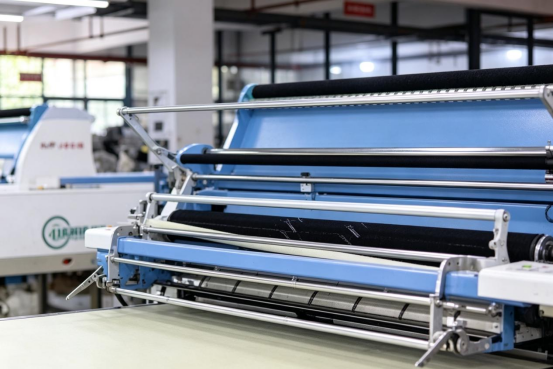
Producing high-quality woven garments requires careful control of several technical factors that directly influence manufacturing efficiency and finished garment quality.
Fabric is one of the largest variables in woven garment manufacturing. Two fabrics with similar composition may behave very differently once they enter production because of differences in weave density, finishing treatments or dimensional stability.
During cutting, unstable fabrics may shift or distort, reducing cutting accuracy and affecting panel consistency. During sewing, certain materials are more prone to puckering, seam slippage or needle marks, requiring adjustments to machine settings and sewing methods.
These characteristics cannot always be identified through material specifications alone. Practical production experience is equally important when evaluating whether a fabric is suitable for large-scale manufacturing.
The complexity of woven garments often lies beneath the surface.
Woven garments often involve multiple panels, facings, collars, cuffs, pockets, linings and structural reinforcements. Every construction detail influences both the appearance of the garment and the efficiency of the manufacturing process.
A well-designed construction method should balance aesthetics with manufacturability. Overly complicated construction may increase sewing time without improving product performance, while oversimplification can compromise garment structure or durability.
For this reason, construction decisions are usually refined during technical development before production begins.
Seam construction is another area where technical expertise directly influences garment quality.
Different woven fabrics require different seam types, stitch densities and sewing techniques. Heavy fabrics demand different construction methods than lightweight woven materials, while coated or functional fabrics often require additional process controls to prevent damage during sewing.
Consistent workmanship depends not only on operator skill but also on standardized sewing methods, clear technical documentation and practical manufacturing experience.
When seam construction is properly engineered, garments maintain better appearance, strength and durability throughout their lifecycle.
Achieving a good fit in woven garments requires far more precision than simply grading patterns into different sizes.
Fit is influenced by fabric characteristics, construction methods, pressing conditions and dimensional stability after finishing. Even small variations can become noticeable during bulk production if technical standards are not clearly defined.
Production consistency becomes even more important when manufacturing involves multiple factories or repeated seasonal orders. Standardized technical specifications, approved samples and consistent quality control help ensure garments maintain the same appearance regardless of where they are produced.
Many quality improvements take place long before production lines begin sewing garments.
Technical development allows manufacturers to evaluate whether a product can be produced efficiently while meeting design expectations and quality requirements. Rather than changing garments after problems appear in production, development teams identify potential issues early enough for practical adjustments.
Material evaluation is one important part of this process. Fabrics are reviewed not only for appearance but also for how they perform during cutting, sewing and finishing. Construction details are assessed to determine whether they can be reproduced consistently in bulk production without unnecessary complexity.
Sample validation provides another opportunity to confirm manufacturing readiness. Development samples help verify garment structure, workmanship requirements and overall construction before production standards are finalized. Where necessary, technical details can be refined to improve manufacturability while maintaining the intended design.
Technical reviews also help align development and manufacturing teams. Construction methods, sewing standards and quality expectations are confirmed before production begins, reducing unnecessary revisions during bulk manufacturing.
The objective is not simply to produce an approved sample. It is to establish a manufacturing process that can consistently deliver the same result across thousands of garments.
Woven garment manufacturing has been a core focus of Kingsrich for more than two decades. The company works with international fashion brands across a broad range of woven apparel, including shirts, trousers, skirts and woven outerwear.
Within these categories, the company has accumulated extensive manufacturing experience in jackets, trench coats, padded outerwear and other woven outerwear products, where garment structure, fabric performance and construction accuracy all require careful technical control.
Supporting these products is an experienced development team that works closely with sourcing, merchandising and manufacturing throughout each project. More than 60 development specialists contribute to over 4,500 sample developments each year, helping brands evaluate designs, refine construction details and prepare products for bulk production.
Because development and manufacturing are closely connected, technical feedback from sampling can be incorporated before production begins rather than after problems occur on the factory floor. This collaborative approach helps improve manufacturing efficiency while maintaining consistent quality across different woven product categories.
Kingsrich's manufacturing capability also supports customers with different sourcing requirements through production facilities located in China, Vietnam and Cambodia. Combined with standardized development practices and coordinated project management, this network allows brands to manage production flexibility without sacrificing product consistency.
Selecting a woven garment manufacturer involves much more than comparing production capacity or pricing.
A capable manufacturing partner should understand how technical decisions made during development influence efficiency and quality throughout production. Experience with woven construction, fabric performance and garment engineering allows potential issues to be addressed before they become manufacturing problems.
Brands should also evaluate how manufacturers manage sample development, technical communication and production preparation. Clear specifications, structured development processes and close collaboration between development and manufacturing teams generally result in more predictable production outcomes.
Other important considerations include stable fabric sourcing, consistent quality management and the ability to maintain the same manufacturing standards across different production locations. These capabilities become increasingly valuable as brands diversify sourcing and introduce more technically complex products.
For woven garments, manufacturing quality is rarely the result of a single production step. It is built through hundreds of technical decisions made before and during production. Manufacturers that combine technical development with practical manufacturing experience are better positioned to deliver garments that meet both design expectations and production requirements.
Woven garment manufacturing requires careful control of fabric stability, garment structure, construction methods and production specifications. These factors work together to achieve consistent fit, appearance and manufacturing quality across bulk production.
Fabric characteristics influence cutting accuracy, sewing performance, pressing results and dimensional stability. Selecting suitable materials and understanding how they behave during production helps improve manufacturing consistency.
Technical development evaluates materials, construction methods and garment specifications before bulk production. Early validation helps identify manufacturing challenges, improve production readiness and reduce unnecessary revisions during production.
Brands should evaluate technical development capability, experience with woven garment construction, fabric sourcing support, quality management systems and the ability to maintain consistent manufacturing standards across different production locations. These capabilities contribute to more reliable production and long-term supply chain performance.